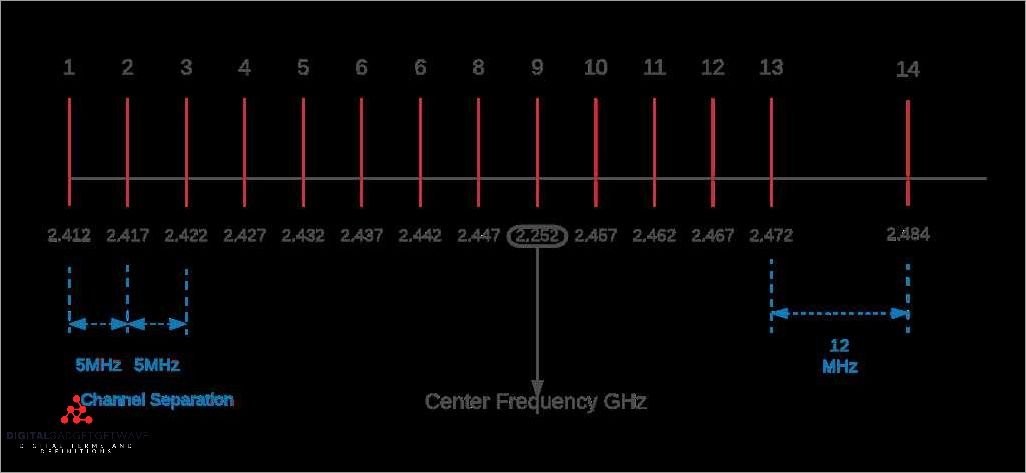
Let's face it: the unsettling silence of a power outage is a familiar dread for far too many homeowners. From flickering lights to a quickly warming fridge, the inconvenience quickly escalates to a serious problem. In fact, a staggering 85% of homeowners currently lack a reliable backup power source, leaving them vulnerable when the grid inevitably falters. This guide isn't just about buying a machine; it's about securing peace of mind and ensuring continuity in an unpredictable world. We're diving deep into Selecting & Buying the Right Hz Generator: A Comprehensive Guide, designed to empower you with the knowledge to make an informed, confident decision.
At a Glance: Your Generator Buying Checklist
- Assess Your Needs: Determine exactly what you need to power (essential circuits vs. whole home).
- Know Your Types: Understand the differences between home standby, portable, and inverter generators.
- Calculate Wattage: Account for both starting and running wattage, adding a 20-30% buffer.
- Pick Your Fuel: Weigh the pros and cons of natural gas, propane, diesel, and gasoline.
- Consider Key Features: Prioritize Automatic Transfer Switches (ATS), noise levels, and robust warranties.
- Budget Wisely: Factor in the purchase price, professional installation, and ongoing maintenance.
- Prioritize Safety & Regulations: Adhere to local codes, permits, and critical operating precautions.
- Plan for Maintenance: Regular checks are crucial for reliability.
Why Your Home Needs a Reliable Power Backup
Imagine this: a severe storm rolls through, knocking out power for days. Your food spoils, your family shivers (or swelters), and essential medical equipment can't run. For the 85% of homeowners without a backup, this isn't just an inconvenience; it's a crisis. A home generator transforms this scenario from a disaster into a mere blip. It means your lights stay on, your refrigerator hums, and your HVAC keeps your home comfortable, regardless of what's happening on the grid.
Deciphering Generator Types: Which One is Right for You?
Not all generators are created equal. Understanding the fundamental differences is the first step toward making an intelligent choice for your home.
Home Standby Generators: The Unsung Guardian
These are the titans of home backup. Permanently installed outside your home, home standby generators are like silent sentinels, poised to spring into action the moment the power fails. They detect an outage, automatically activate, and seamlessly transfer power to your home's electrical system, all without you lifting a finger.
- Fuel Source: Typically powered by natural gas or propane, connecting directly to your home's existing supply or dedicated tanks.
- Automatic Operation: Thanks to an Automatic Transfer Switch (ATS), they kick in within seconds of an outage and shut down when utility power returns.
- Capacity: Designed to power major appliances like your HVAC, refrigerator, and entire electrical circuits, often handling whole-home needs.
- Benefits: Fuel efficiency, long-term reliability, advanced safety features (like automatic shutdown), and remarkably quiet operation compared to portables.
Portable Generators: The Versatile Workhorse
If you need power on the go or for temporary, localized needs, a portable generator is your go-to. They're compact, relatively easy to move, and perfect for camping trips, outdoor events, or powering specific tools during a brief outage.
- Fuel Source: Most commonly gasoline, but many models also offer propane (dual-fuel).
- Operation: Requires manual setup, starting, and connection to appliances or a transfer switch via extension cords or a dedicated inlet box.
- Capacity: Ranges from small units for a few lights and chargers to larger ones capable of running a refrigerator and a few essential circuits.
- Benefits: Versatility, lower initial cost, and the ability to take power wherever you need it.
Inverter Generators: Clean Power, Quiet Performance
A specialized type of portable generator, inverter generators are all about producing cleaner, more stable electricity. This makes them ideal for sensitive electronics like laptops, smartphones, and medical devices that can be damaged by the "dirty" power of conventional generators.
- Power Quality: Produce a pure sine wave, mimicking utility power, which is crucial for modern electronics.
- Operation: Often feature variable engine speed, adjusting output based on demand, which leads to greater fuel efficiency and quieter operation.
- Capacity: Generally smaller in wattage than conventional portable generators, though larger inverter models are becoming more common.
- Benefits: Quieter operation (often between 50-60 dB), superior fuel efficiency, and safe for all your delicate gadgets.
Pinpointing Your Power Needs: The Wattage Whisperer
This is arguably the most critical step in selecting the right generator. Overestimating wastes money, while underestimating leaves you in the dark. You need to become a "wattage whisperer" for your home.
Essential vs. Whole-Home Power
First, decide what you absolutely need to power during an outage.
- Essential Circuits: Do you just need your refrigerator, a few lights, the furnace fan, and a device charger? This requires less power and likely a smaller, less expensive generator.
- Whole-Home Power: Do you want to run everything as if the power never went out—including your central air conditioning, washer/dryer, and multiple TVs? This demands a much larger, typically home standby, unit.
Starting Wattage vs. Running Wattage
Appliances don't just consume a consistent amount of power. Many, especially those with motors (refrigerators, HVAC units, well pumps), require a momentary surge of power to start up.
- Running Wattage: The continuous power an appliance uses once it's operating.
- Starting Wattage (Surge Wattage): The extra power needed for a split second to get a motor going. This can be 2-3 times its running wattage.
The Golden Rule: Your generator's total capacity must be able to handle the highest starting wattage of any single appliance you plan to run, plus the running wattage of all other appliances that will be operating simultaneously.
Calculating Your Needs: A Practical Approach
- List Your Essentials: Walk through your home and list every appliance you want to run during an outage.
- Find the Wattage: Look for the wattage (W) listed on the appliance's data plate or in its owner's manual. If it only lists amps (A) and volts (V), multiply them (A x V = W).
- Identify Starting Wattages: For motor-driven appliances, estimate starting wattage (usually 2-3x running wattage) or look it up specifically.
- Add it Up:
- Sum the running wattages of all appliances you want to use at the same time.
- Take the highest starting wattage from any single appliance on your list.
- Add that highest starting wattage to the total running wattage. This gives you your maximum surge demand.
- Add a Buffer: Choose a generator that provides 20-30% more capacity than your calculated maximum surge demand. This buffer accommodates any unexpected loads or future additions.
Pro Tip: For complex electrical systems or if you're unsure about your power needs, consult a qualified electrician. They can perform a load calculation to give you precise figures. This is especially vital for home standby installations.
Fueling Your Future: Understanding Generator Fuel Types
The type of fuel your generator uses significantly impacts its convenience, operating cost, and overall performance.
Natural Gas: The Convenient Constant
If your home is already connected to a natural gas line, this is often the most cost-effective and convenient option for home standby generators.
- Pros: Directly connected to an unlimited supply, no refueling needed, very low maintenance, and often the cheapest fuel source.
- Cons: Not available in all areas, requires professional installation to tap into the gas line.
Propane: The Flexible Alternative
A fantastic alternative if natural gas isn't available, propane is stored in tanks (either small BBQ-style or large residential tanks).
- Pros: Offers a longer storage life than gasoline, cleaner emissions than gasoline or diesel, and is widely available.
- Cons: Requires dedicated storage tanks (which might be an upfront cost), needs regular refilling, and fuel costs can fluctuate.
Diesel: Powerhouse Performance
Diesel generators are known for their efficiency and power, particularly in larger commercial or industrial applications, but they are also available for residential use.
- Pros: High energy density (runs longer on less fuel than gasoline), durable, and often more fuel-efficient at higher loads.
- Cons: Tends to be louder, requires more maintenance (e.g., fuel filters), diesel fuel can gel in cold weather, and it's generally more expensive upfront.
Gasoline: The Portable Standard
Gasoline is the most common fuel for portable generators due to its widespread availability.
- Pros: Readily available at any gas station, generally affordable.
- Cons: Degrades quickly (can clog carburetors if not stabilized), highly flammable (requires careful storage), and typically less fuel-efficient than other options.
Your choice ultimately depends on availability in your area, your willingness to manage fuel storage and maintenance, and the overall costs involved.
You can learn more about the mechanics behind these machines and their power output in our comprehensive guide to all about Hz generators.
Beyond the Basics: Essential Features & Considerations
Once you've narrowed down the type and size, it's time to dive into the specifics that differentiate one generator from another.
Automatic Transfer Switch (ATS): The Unsung Hero
For home standby generators, the Automatic Transfer Switch (ATS) is non-negotiable. This critical component is the brain that monitors your utility power. When an outage occurs, the ATS senses it, signals the generator to start, and safely switches your home's electrical load from the utility grid to the generator. When utility power returns, it reverses the process.
- Why it's Crucial: Prevents dangerous "back-feeding" of electricity into the utility grid (which can injure or kill utility workers) and ensures seamless, automatic operation. Always verify that a home standby generator comes with an ATS.
Noise Levels: Finding Your Quiet Zone
A roaring generator can quickly become a nuisance to you and your neighbors. Noise levels are measured in decibels (dB).
- General Range: Most generators operate between 50 and 70 decibels, with 50 dB being similar to a quiet conversation or a dishwasher, and 70 dB like a vacuum cleaner.
- Quieter Options: Inverter generators are typically the quietest due to their variable throttle technology. Home standby models often feature insulated enclosures and advanced mufflers to keep noise to a minimum. Look for specific dB ratings at 25% and 50% load.
Warranty & Maintenance: Protecting Your Investment
A generator is a significant investment, and you want it to last.
- Warranty: Warranties typically range from 3 to 10 years. A longer warranty often signifies the manufacturer's confidence in their product. Understand what the warranty covers (parts, labor, travel) and any conditions.
- Maintenance Schedule: Just like your car, generators need regular care. Follow the manufacturer's recommended schedule for oil changes, filter replacements, and spark plug inspections.
- Initial Check: A new generator usually requires a routine check after its first 50-100 hours of operation to ensure everything is running smoothly.
- Professional Installation: For standby generators, professional installation by a certified electrician and plumber is essential to ensure safety, compliance with local codes, and proper operation. This often impacts your warranty validity.
Size and Installation: Making Room for Power
Consider the physical footprint of the generator and where it will be placed.
- Space Requirements: Larger generators require more space and adequate clearance around them for ventilation and maintenance access.
- Local Regulations: Depending on your municipality, larger generators (especially standby units) may require special permits due to noise, emissions, or electrical safety standards. Always check with your local building authority.
- Ventilation: Generators produce exhaust fumes (including deadly carbon monoxide). They must always be operated in a well-ventilated outdoor area, far from windows, doors, and vents that could allow fumes to enter your home.
Runtime and Fuel Efficiency: How Long Can You Last?
How long a generator can run on a single tank or supply of fuel is critical.
- Inverter Advantage: Inverter generators are generally more fuel-efficient, offering longer runtimes for their size due to their ability to throttle down engine speed based on load.
- Fuel Tank Size: For portable units, consider the fuel tank size and how long it can power your essential items at various load levels.
- Fuel Storage: Ensure you have adequate and safe storage for your chosen fuel type, especially for gasoline and propane tanks.
Convenience & Safety Features: Small Details, Big Difference
Look for features that enhance usability and safety.
- Electric Start: A push-button start (often with a battery) is much easier than a pull-cord, especially in an emergency.
- Remote Start: Start or stop your generator from inside your home – a huge convenience in bad weather.
- Multiple Outlets: Ensure the generator has enough outlets and the right types (e.g., 120V, 240V, GFCI protected) for your needs.
- Fuel Gauges: Essential for monitoring your fuel level.
- Automatic Shut-off: Safety features like low-oil shut-off protect the engine, and overload protection prevents damage to both the generator and your appliances.
- Circuit Breakers: Manual reset circuit breakers for individual outlets.
Your Step-by-Step Generator Buying Guide
Armed with knowledge, follow these steps to confidently choose your home generator.
- Assess Your Specific Power Needs: Revisit your wattage calculations. Be realistic about what you need versus what you want to power during an outage.
- Compare Top Brands and Models: Research reputable manufacturers known for reliability and customer support. Read reviews from other homeowners, paying attention to long-term performance and service experiences.
- Understand the Warranty and Available Support: Don't just look at the warranty length; understand its coverage. Inquire about local authorized service centers for repairs and routine maintenance.
- Budget for the Full Picture: Your budget should include not only the generator's purchase price but also professional installation costs (especially for standby units), an Automatic Transfer Switch (if not included), and ongoing fuel and maintenance expenses.
- Choose a Reputable Seller: Purchase from a dealer known for good customer service, knowledgeable staff, and after-sale support. They can often provide installation services or recommend qualified installers.
Navigating Regulations & Prioritizing Safety
Ignoring regulations and safety precautions can lead to significant fines, hazards, and even fatalities.
Local Building Codes and Permits
- Check First: Before you even purchase a generator, contact your local building department. Installation of a home standby generator almost always requires permits for electrical, plumbing (for gas lines), and sometimes zoning.
- Compliance: Ensure your chosen generator and its installation plan comply with all local electrical and environmental standards. This might include minimum distances from windows, property lines, or fuel sources.
Noise Ordinances
- Be Aware: Many communities have specific noise ordinances, including restrictions on operating hours and decibel levels for machinery. Check these regulations to avoid fines and maintain good neighborly relations.
Safety Precautions: Non-Negotiables
- Carbon Monoxide Kills: NEVER operate a generator indoors, in a garage, basement, or any enclosed space. Generators produce carbon monoxide (CO), an odorless, colorless, and deadly gas. Always place generators in a well-ventilated outdoor area, at least 20 feet away from your home, with the exhaust pointing away from windows, doors, and vents. Install CO detectors inside your home.
- Keep Away from Flammables: Store and operate generators far from flammable materials like dry leaves, gasoline cans, or propane tanks.
- Never Refuel a Hot Generator: Always allow the generator to cool down completely before refueling to prevent accidental fires or explosions.
- Dry Hands, Dry Ground: Never operate a generator in wet conditions. Ensure your hands are dry, and the generator is on a dry, level surface to prevent electrical shock.
- Proper Connection: Only connect appliances directly to the generator's outlets or use a properly installed Automatic Transfer Switch or manual transfer switch. Never "back-feed" electricity into your home's wiring by plugging the generator into a wall outlet; this is incredibly dangerous.
Beyond Purchase: Emergency Preparedness & Maintenance Mastery
Buying a generator is just the first step. True preparedness involves a holistic approach.
- Maintain an Emergency Kit: Beyond power, ensure you have a well-stocked emergency preparedness kit with flashlights, extra batteries, a first-aid kit, non-perishable food, and plenty of water.
- Regular Testing & Fuel Supply: Test your generator monthly (or as recommended by the manufacturer) to ensure it starts and runs properly. For portable units, maintain an adequate and safely stored fuel supply.
- Communication Plan: Establish a communication plan with family or employees for power outages, including emergency contacts and meeting points.
- Follow Maintenance Guidelines: A new generator will typically require an initial check and possibly an oil change after 50-100 hours of operation. Adhering to the manufacturer's recommended maintenance schedule (oil changes, spark plug checks, filter replacements) is key to its longevity and reliability. Consider a maintenance contract with a local service provider for standby units.
The Financial Picture: Investment & Savings
A home generator is a significant investment, but it also offers considerable value.
- Budget Accordingly: Factor in the unit cost, installation (which can range from hundreds to thousands for standby units), and ongoing fuel and maintenance.
- Financing Options: Many retailers and manufacturers offer financing plans to make the purchase more manageable. Explore these options to find one that fits your budget.
- Tax Incentives & Rebates: Don't forget to check for potential tax incentives or rebates in your area, particularly for energy-efficient or renewable-fueled generators. These can help offset the initial cost.
Peering into Tomorrow: Advancements in Generator Technology
The world of generators is constantly evolving. Staying informed about new models can lead to smarter decisions.
- Improved Efficiency: Newer models often boast enhanced fuel efficiency, translating to longer runtimes and lower operating costs.
- Quieter Operation: Advances in engine design and sound-dampening enclosures mean less noise pollution.
- Smart Generators: Look for units with remote monitoring capabilities via smartphone apps, automatic start/stop functions based on weather forecasts, and even integration with home automation systems. These features offer unparalleled convenience and peace of mind.
Exploring Alternatives: Beyond the Traditional Generator
While generators are excellent, they're not the only backup power solution.
- Solar Generators: These units harness solar power to charge internal batteries, offering a silent, emission-free solution. They're great for off-grid use or as a supplement for smaller power needs.
- Wind Turbines: In areas with consistent wind, small residential wind turbines can generate electricity, contributing to or fully powering a home.
- Battery Backup Systems: Essentially large, rechargeable batteries, these systems store electricity (often charged by solar panels or the grid during off-peak hours) and can provide short-term power during outages without any noise or fumes.
Your Next Step: Powering On with Confidence
Choosing the right Hz generator for your home is more than just a purchase; it's an investment in your family's safety, comfort, and peace of mind. By methodically assessing your power needs, understanding the different types and features, prioritizing safety, and planning for proper installation and maintenance, you can transform the daunting task into a confident decision. Don't wait for the next outage to realize you're unprepared. Start your journey today, and empower your home with reliable, uninterrupted power.