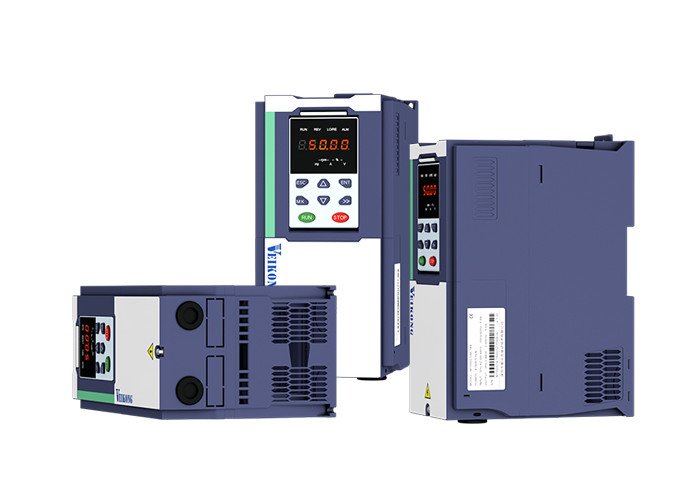
The hum of global commerce, the precision of advanced manufacturing, the rhythm of household appliances — all powered by electricity. Yet, across continents and even within specific industries, that power isn't universally identical. The stark reality is that electrical grids often operate on different frequencies, most notably 50Hz (Hertz) and 60Hz. Navigating this fundamental divide requires a sophisticated solution: Frequency Conversion: 50Hz to 60Hz and Other Standards.
Without it, the seamless flow of modern life, trade, and innovation would grind to a halt. Imagine trying to run a high-tech CNC machine designed for a 60Hz grid in a 50Hz country, or powering an aircraft's sensitive avionics from a standard facility. It's not just about plugging in; it's about fundamental compatibility that impacts everything from efficiency to catastrophic failure. This guide will demystify frequency conversion, explaining how it works, why it's crucial, and how to choose and maintain the right system for your needs.
At a Glance: Understanding Frequency Conversion
- The Core Problem: Electrical grids worldwide operate at either 50Hz (e.g., Europe, Asia) or 60Hz (e.g., North/South America), making equipment incompatible without adjustment.
- The Solution: Frequency converters transform incoming AC power to a different AC frequency (e.g., 50Hz to 60Hz).
- How They Work: Most modern converters use a two-stage AC-to-DC-to-AC process, providing stable, clean power.
- Key Benefits: Enables global interoperability, protects sensitive equipment, boosts efficiency, and extends lifespan.
- Broad Applications: Essential in aerospace, industrial manufacturing, renewable energy, maritime, HVAC, and testing labs.
- Types of Converters: Static (solid-state) converters are the most versatile; Variable Frequency Drives (VFDs) control motor speeds.
- Crucial Considerations: Power output, efficiency, voltage, installation, and maintenance are paramount for selection and longevity.
The Global Power Divide: Why Frequencies Matter
Our world runs on a patchwork of electrical standards. Most of North and South America, along with parts of Asia (like Japan and South Korea), operate on 60Hz grids. Conversely, Europe, the majority of Asia, Africa, and Australia largely utilize 50Hz. This seemingly small difference has massive implications for electrical systems and power applications.
Think of frequency as the "heartbeat" of your electrical supply. For motors, pumps, and sophisticated electronic components, this heartbeat dictates speed, efficiency, and thermal performance. A piece of equipment designed for 60Hz operating on a 50Hz supply might run slower, overheat, or experience reduced efficiency and accelerated wear. For sensitive electronics, the consequences can be even more severe, leading to performance decline or outright failure.
Frequency converters bridge this divide, acting as a universal translator for electrical power. By stepping in and delivering the precise frequency (and often voltage) required, they ensure equipment operates as intended, regardless of the local grid standard. This isn't just about convenience; it's about protecting significant investments, ensuring operational continuity, and unlocking global compatibility for everything from a simple appliance to a complex industrial machine.
Unpacking the Conversion Process: How It Works Under the Hood
Modern frequency conversion, particularly from 50Hz to 60Hz or vice-versa, relies on a highly efficient, two-stage power conversion process, often referred to as an AC-to-DC-to-AC or "DC Link" converter.
- First Stage: AC to DC Conversion. Input AC power (e.g., 50Hz) is first converted into direct current (DC). This isn't just a simple rectification; advanced systems actively shape the input current to ensure the power factor is near one. Why does this matter? A high power factor means the converter draws current efficiently, reducing wasted energy, minimizing current draw from the grid, and significantly cutting down on carbon emissions.
- The DC Link: Power Storage and Stability. The generated DC power isn't immediately converted back to AC. Instead, it's stored in an energy storage bank, typically a bank of capacitors. This DC "buffer" is critical: it maintains a stable power supply and can even ride through momentary input interruptions (like a brief flicker in the grid), ensuring uninterrupted output to your connected equipment.
- Second Stage: DC to AC Conversion (The Inverter). Finally, this stable DC power feeds into a DC-to-AC converter, or inverter. This sophisticated component generates a brand-new AC waveform at the desired frequency (e.g., 60Hz) and voltage (e.g., 120V). Crucially, modern inverters utilize advanced techniques like pulse-width modulation (PWM) to create a remarkably pure sine wave output, essential for sensitive electronics that demand clean, stable power.
Beyond these core stages, integral components like input and output filters reduce electrical noise and harmonics, while robust protection circuits safeguard the entire system and connected equipment from faults, overloads, or surges. The result is a frequency converter that delivers not just the right frequency, but also highly stable, clean, and reliable power.
Beyond the Basics: Different Faces of Frequency Converters
While the core AC-DC-AC process underpins many modern solutions, various types of frequency converters are tailored for specific needs and applications. Understanding these distinctions is key to selecting the right tool for the job.
1. Static Frequency Converters (Solid-State)
These are the workhorses of modern frequency conversion, representing the most versatile and widely adopted technology. Static converters, as their name suggests, have no moving parts, relying entirely on solid-state electronics. Their advantages are clear: high efficiency, compact size, quiet operation, and exceptional precision in output frequency and voltage. They are commonly found in:
- Aerospace & Defense: Powering sensitive avionics and ground support equipment.
- Renewable Energy: Matching grid demands.
- Industrial Applications: Where reliability and clean power are paramount.
The two-stage AC-DC-AC process described earlier is the foundational technology within static frequency converters, allowing them to deliver precise control and a pure sine wave output.
2. AC-to-AC Converters (Direct Conversion)
Sometimes called cycloconverters, these systems convert AC directly to AC without an intermediate DC stage. They offer simplicity and good efficiency in certain niche applications, typically for very high power levels or specific motor control where the output frequency is a sub-multiple of the input. However, they can introduce more harmonic distortion and offer less flexibility in voltage control compared to DC Link converters, limiting their widespread adoption for general frequency conversion.
3. AC-to-DC-to-AC Converters (DC Link Converters)
As discussed, this is the most common and versatile architecture. By converting to DC first, these converters gain significant advantages:
- Enhanced Control: Precise manipulation of output frequency and voltage.
- Improved Power Quality: Easier to achieve a pure sine wave output with minimal harmonics.
- Momentary Interruption Ride-Through: The DC storage bank provides stability against input power fluctuations.
This design forms the backbone of almost all high-performance static frequency converters and Variable Frequency Drives.
4. Rotary Frequency Converters (Motor-Generator Sets)
These are the traditional, mechanical solutions. A rotary converter consists of an AC motor (running on the input frequency) mechanically coupled to an AC generator (producing the desired output frequency). While robust and providing good isolation, they are large, heavy, noisy, less efficient than static converters, and require more maintenance dueance to moving parts. Their use has significantly declined in favor of solid-state solutions, though they still exist in some legacy systems or specialized high-power industrial settings.
5. Variable Frequency Drives (VFDs)
While often categorized separately, VFDs are a specialized type of frequency converter primarily designed for precise motor speed and torque control. They take a fixed-frequency AC input (e.g., 50Hz or 60Hz) and output AC power at a variable frequency and voltage. This allows for unmatched control over motor operation, leading to:
- Significant Energy Savings: Motors only draw the power they need for the load, especially at partial loads.
- Reduced Mechanical Stress: Smooth acceleration and deceleration extend equipment life.
- Enhanced Process Control: Critical for applications requiring precise speed adjustments.
VFDs are seeing accelerating adoption in manufacturing, oil and gas, and water treatment sectors, benefiting from advanced control algorithms, IoT integration for predictive maintenance, regenerative braking capabilities, and increasingly sophisticated harmonic mitigation techniques. If your primary need is to control motor speed rather than just convert fixed grid frequencies, a VFD is often the optimal choice.
Where Frequency Conversion Makes a World of Difference
Frequency conversion isn't a niche technology; it's a foundational enabler across a multitude of critical industries. Its application ensures precision, efficiency, and safety where inconsistent power standards could otherwise cause significant disruption or failure.
- Aerospace and Aviation: Aircraft systems often operate at 400Hz to reduce the size and weight of onboard electrical components. On the ground, frequency converters are indispensable for providing ground power from standard utility grids (50Hz or 60Hz) to these sophisticated 400Hz aircraft systems, sometimes also converting 28V DC to 115V AC at 400Hz. This ensures proper maintenance, testing, and pre-flight operations.
- Industrial Machinery: Precision is paramount in manufacturing. CNC machines, high-speed compressors, robotics, and other automated industrial equipment often require a precise frequency input that might differ from the local grid or even require variability. Industry reports indicate that using the correct frequency via converters can lead to a 25% reduction in equipment failure rates and significantly lower maintenance costs, especially for complex machinery.
- Renewable Energy Systems: Wind turbines and solar farms generate power that can be inconsistent in frequency and voltage. Converters are vital here, matching these unsteady frequencies to the stable utility grid (whether 50Hz or 60Hz) for seamless integration. They also play a crucial role in managing grid energy storage, ensuring power can be supplied or absorbed at the correct frequency.
- Maritime Operations: Ships often have their own 60Hz or even 400Hz power systems. When docked, converters allow them to connect to land-based grids, reducing the need to run onboard diesel generators. This not only saves fuel but also significantly reduces emissions at port, contributing to cleaner air in coastal communities.
- HVAC Systems: Frequency inverters, a form of VFD, are widely used in modern HVAC systems to control the speed of compressor motors and fans. By modulating motor speed, these systems can precisely match cooling or heating demand, leading to impressive energy savings, often in the range of 20% to 50%, compared to traditional on/off systems.
- Testing Labs and Research Facilities: For scientific experiments, product development, and quality assurance, precise and variable-frequency power is often non-negotiable. Converters in these settings offer unparalleled control, often boasting frequency stability of 0.01% or better, allowing researchers to simulate various global power conditions or test equipment under exact, repeatable parameters.
These applications highlight that frequency converters are more than just adapters; they are critical components enabling global commerce, technological advancement, and sustainable energy solutions by providing steady, modifiable output frequencies that reduce wear and tear and extend equipment lifespan. The integration of advanced technologies like pulse-width modulation (PWM) and active harmonic filtering further minimizes harmonic distortion and improves energy efficiency, particularly vital for medical equipment, industrial machinery, and renewable energy systems.
Choosing Your Converter: A Practical Guide
Selecting the right frequency converter isn't a one-size-fits-all decision. It requires careful consideration of your specific needs, the environment, and your budget. Here's a breakdown of the critical factors:
1. Power Output & KVA Calculations: Don't Underestimate
The converter's power output must match or exceed the requirements of your connected load. This isn't just about simple wattage. You need to consider both real power (kW) and apparent power (kVA).
- Power Rating (W/kW): This indicates the maximum actual power the converter can safely deliver for work.
- kVA (Kilovolt-Ampere): This represents the total apparent power, encompassing both active (real) and reactive power. For inductive loads like motors, kVA is often higher than kW due to a power factor less than one.
Formulas for Sizing: - Single-phase kVA = (Voltage × Current) ÷ 1000
- Three-phase kVA = (√3 × Voltage × Current) ÷ 1000
- Real power (kW) = kVA × Power Factor
Always calculate the kVA required by your load, and then select a converter with a kVA rating that provides a comfortable margin (e.g., 120-125% of your peak load) to prevent overheating, system failure, or premature wear.
2. Energy Efficiency: Small Gains, Big Savings
An efficient converter minimizes energy losses during the conversion process, translating directly into lower operational costs and a reduced environmental footprint. Look for efficiency ratings, often expressed as a percentage. While a 95% efficient converter might sound great, that 5% loss can add up significantly over years of continuous operation, especially for high-power applications.
3. Voltage Requirements: 110V vs. 220V (and beyond)
The output voltage requirements (e.g., 110V, 120V, 200V, 220V, 240V, 480V) depend entirely on your equipment's specifications and regional standards.
- 110V/120V: Common for residential and light commercial applications in North America, generally considered safer due to lower shock risk, but requires higher current for a given power level, leading to thicker wiring.
- 220V/240V: Standard in many parts of the world and for higher-power appliances (e.g., ovens, HVAC) in North America. More efficient for transmitting higher power due to lower current draw, which can mean smaller conductors and less voltage drop.
Ensure your converter can deliver the precise voltage your equipment needs, often with voltage regulation capabilities to maintain stability even with fluctuating loads.
4. Installation Complexity & Footprint
Consider where the converter will be installed. Large rotary converters require significant space and heavy-duty mounting, whereas modern static converters are compact and often wall-mountable. Evaluate cooling requirements, access for maintenance, and the ease of electrical connections. Simpler installation means lower upfront labor costs.
5. Budget Constraints
Cost is always a factor, but remember that the cheapest option isn't always the most economical in the long run. Factor in not just the purchase price, but also operational costs (energy efficiency), maintenance, and potential repair or replacement costs down the line. Investing in a higher-quality, more efficient converter can often yield substantial savings over its lifespan.
6. Application Suitability
Different applications have unique demands:
- Precision: Testing labs need extremely stable frequencies.
- Ruggedness: Industrial environments might require converters with higher IP ratings for dust and moisture resistance.
- Portability: Some applications, like field testing, might need smaller, more portable units.
- Dynamic Loads: If your equipment has rapidly changing loads (e.g., a motor starting and stopping frequently), ensure the converter can handle transient surges and maintain stable output.
By meticulously evaluating these factors, you can make an informed decision that ensures optimal performance, longevity, and cost-effectiveness for your frequency conversion needs.
Setting Up for Success: Installation Essentials
A frequency converter is only as good as its installation. Proper setup is crucial for safety, performance, and longevity. Cutting corners here can lead to costly failures or dangerous situations.
Preparation Steps Before You Begin
Thorough preparation minimizes surprises and ensures a smooth installation:
- Evaluate Site Conditions: Check ambient temperature, humidity, and the presence of dust, moisture, or corrosive agents. The converter's operating environment ratings (e.g., IP rating) must match the site.
- Verify Input Power Supply: Confirm the incoming voltage and frequency match the converter's specifications. Use a multimeter to double-check.
- Plan Wiring Layout: Map out cable runs, ensuring adequate spacing between power and control cables to prevent electromagnetic interference (EMI). Consider using shielded cables where necessary.
- Assess Load Requirements: Re-confirm the precise voltage, current, power factor, and startup characteristics (e.g., inrush current for motors) of your connected equipment.
- Prepare Mounting Hardware: Gather all necessary bolts, anchors, and brackets. Ensure the mounting surface is strong enough to support the converter's weight.
Key Installation Tips for Optimal Performance
Once preparations are complete, follow these guidelines for the physical installation:
- Location, Location, Location: Choose a clean, dry, well-ventilated area that is free from excessive dust, moisture, corrosive pollutants, and high vibration. Good airflow is paramount for cooling.
- Secure Mounting: Fix the converter securely to a solid, level surface. Ensure there's ample space around the unit for cooling airflow and for future maintenance access.
- Electrical Connections Done Right: Double-check that all cables and terminals match the required voltage and current ratings. Follow the manufacturer's wiring diagrams meticulously, paying attention to phase rotation for three-phase systems.
- Overcurrent Protection is Non-Negotiable: Install appropriate circuit breakers or fuses on both the input and output sides of the converter. These devices are your first line of defense against overloads and short circuits.
- Proper Grounding: Ground the converter according to manufacturer recommendations and local electrical codes. A solid ground connection is essential for safety, protecting against electrical shock, and reducing electrical noise.
- Cooling System Inspection: Before powering on, inspect all cooling paths, fans, and heat sinks. Ensure they are free from obstructions and that the cooling system is operational.
Safety First: Crucial Precautions During Installation
Electrical work carries inherent risks. Prioritize safety above all else.
- Adhere to Electrical Safety Standards: Always switch off and lock out the main power supply before working on electrical connections. Follow all relevant electrical safety standards (e.g., NFPA 70E, OSHA).
- Use Personal Protective Equipment (PPE): Wear insulated gloves, safety glasses, flame-resistant clothing, and non-slip footwear.
- Ensure Proper Grounding: Never bypass grounding circuits. Confirm all metallic enclosures are correctly grounded.
- Avoid Moisture and Contaminants: If the installation environment is prone to moisture or dust, use appropriately IP-rated (Ingress Protection) enclosures for the converter.
- Follow Load Capacity Specifications: Never exceed the converter's specified load limits. Overloading can lead to immediate failure or a fire hazard.
- Secure Proper Ventilation: Ensure the installation area allows for adequate heat dissipation. Blocked vents can lead to overheating and system damage.
Keeping Your Converter Running Smoothly: Maintenance & Longevity
A frequency converter is an investment, and like any critical piece of equipment, it thrives on consistent care. Proactive maintenance and adhering to best practices can significantly extend its lifespan, prevent unexpected downtime, and maintain optimal performance.
Best Practices for Routine Maintenance
Regular checks can catch small issues before they become major problems:
- Visual Inspections: Periodically check the converter for any signs of wear, damage, discoloration, or loose connections. Look for bulging capacitors or unusual odors.
- Clean Cooling Paths: Dust and debris are the enemy of electronics. Regularly clean ventilation openings, fans, and heat sinks to prevent buildup that can impede airflow and cause overheating. Use compressed air or a soft brush.
- Monitor Operating Conditions: Keep an eye on the converter's temperature, humidity, and load levels. Many modern converters have display panels or monitoring software that provide this data. Deviations from normal operating parameters warrant investigation.
- Check Firmware and Parameters: Ensure the converter's firmware is up to date and that all operating parameters (e.g., voltage, frequency settings, protection limits) are correctly configured for your application.
- Verify Electrical Connections: Over time, vibrations can loosen electrical terminals. Periodically check and tighten all input, output, and control wiring connections.
- Log and Address Fault Codes: Most converters have diagnostic capabilities that log error codes. Understand these codes and address their underlying causes proactively, rather than just resetting the unit.
Troubleshooting Common Headaches
Even with the best maintenance, issues can arise. Here’s how to approach common problems:
- Intermittent Power Supply:
- Action: Use a multimeter to check input and output voltages. Inspect all power cords and connections for looseness or damage. Check fuses and circuit breakers. Evaluate if the load is stable or fluctuating excessively.
- System Overheating:
- Action: Examine air circulation around the unit. Clean fans and heat sinks thoroughly. Verify that thermal paste (if applicable to internal components) is intact. Compare actual operating temperatures to manufacturer specifications. Replace faulty cooling units or fans if necessary.
- Communication Errors:
- Action: Test data cables and their connections for integrity. Verify communication system configurations (e.g., IP addresses, baud rates, protocol settings) in both the converter and connected systems. Try restarting both the converter and the connected device. Update firmware if available.
- Unexpected System Shutdowns:
- Action: Immediately check the system logs for fault codes, which will usually pinpoint the cause (e.g., overcurrent, overvoltage, undervoltage, overload). Test the power supply unit (PSU) or battery backup components if they are part of the system.
- Error Code Diagnostics:
- Action: Refer to the converter's user manual or diagnostic software to interpret specific error codes. These codes are designed to identify underlying causes, linking logged events to prevent further degradation or catastrophic failure.
Extending Equipment Lifespan: Longevity Tips
To maximize your frequency converter's operational life:
- Maintain Optimal Operating Temperatures: Most converters are designed for environments between -10°C and 40°C. Operating outside this range stresses components.
- Consistent Cleaning: Regularly cleaning cooling components (fans, vents, heat sinks) prevents thermal stress.
- Monitor Voltage Levels: Consistently check input voltage for stability. Voltage fluctuations are damaging. Consider adding surge protection or an Uninterruptible Power Supply (UPS) for critical applications.
- Inspect and Replace Aging Components: Electrolytic capacitors, for instance, have a finite lifespan (often 5-7 years). Proactive replacement of such components can prevent cascading failures.
- Optimize Load Conditions: While converters are rated for maximum capacity, consistently running them at full load (100%) can reduce their lifespan. Aim to operate at 80-90% of their rated capacity for optimal longevity.
- Implement Scheduled Firmware Updates: Manufacturers often release firmware updates to improve performance, add features, or address bugs. Stay current to ensure the best possible operation and compatibility.
By embedding these practices into your operational routine, you'll not only enhance the reliability of your frequency converter but also safeguard your overall electrical infrastructure. For related power generation needs, you might want to learn more about hz generators and how they complement frequency conversion solutions.
Stepping Forward with Confidence
In a world increasingly connected yet stubbornly divided by electrical standards, frequency conversion emerges as more than just a convenience—it's a fundamental necessity. From ensuring sensitive aerospace equipment operates flawlessly to driving efficiency in industrial machinery and facilitating the integration of renewable energy, these sophisticated systems bridge critical gaps.
Understanding the underlying AC-DC-AC process, the various types of converters available, and the rigorous considerations for selection, installation, and maintenance empowers you to make informed decisions. The right frequency converter isn't just a piece of hardware; it's an investment in interoperability, efficiency, equipment longevity, and, ultimately, the seamless operation of your global endeavors.
By embracing these technologies and best practices, you're not just adapting to diverse power standards; you're future-proofing your operations and ensuring that your equipment performs at its peak, wherever in the world it needs to be.